Introduction — why this matters now
The best AI note taking app is the one that stays accurate, searchable, and trustworthy after weeks of real use—not the one with the longest feature list. Over the last year, AI note apps have multiplied fast, promising instant summaries, perfect organization, and “zero effort” knowledge capture.
In practice, many users discover a different reality: notes that drift from intent, summaries that over-compress meaning, and systems that become noisy over time. This guide cuts through the hype.
We’ll focus on what actually improves daily work—accuracy under pressure, reliable recall, privacy boundaries, and workflows that don’t collapse after the novelty fades. If you take notes every day—for meetings, studying, or personal projects—this article helps you choose (and use) an AI note app that holds up in real life.
What makes an best AI note app “best” beyond features
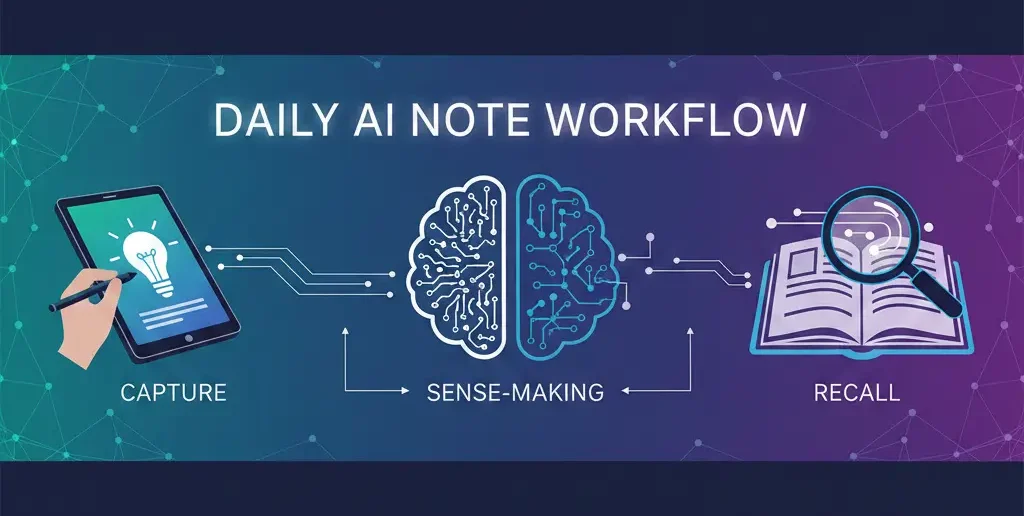
Most comparisons start with features. Daily use starts with friction. The best apps reduce friction across four moments that matter:
- Capture: How easily you get ideas in (typing, voice, imports).
- Sense-making: How the AI summarizes, tags, and connects ideas without flattening nuance.
- Recall: How quickly you find the right note later.
- Trust: How confident you feel that the note still reflects what you meant.
If any one of these breaks, the app stops being “best” regardless of its feature checklist.
How best AI note apps actually behave after weeks of use
From real usage, patterns appear after the honeymoon phase:
- Summary drift: Early summaries feel helpful; later they may compress too aggressively, omitting qualifiers or decisions.
- Tag sprawl: Auto-tags multiply unless you set guardrails.
- Search bias: Retrieval favors recent notes unless semantic search is tuned.
- Context loss: Cross-note links work until similar topics collide.
Fix: Pick tools that let you edit summaries, cap auto-tags, and pin authoritative notes. Treat AI output as a draft, not a verdict.
Common mistakes people make best ai note
Mistake 1: Judging by. the demo
Demos are clean; your life isn’t.
Fix: Import a messy week of notes and see what survives.
Mistake 2: Letting AI finalize notes.
Finality hides errors.
Fix: Add a “human confirmation” step for decisions and study notes.
Mistake 3: Over-automating organization.
Too many rules create noise.
Fix: Start with one folder and three tags max; expand only if retrieval suffers.
Information Gain — why “more AI” often makes notes worse
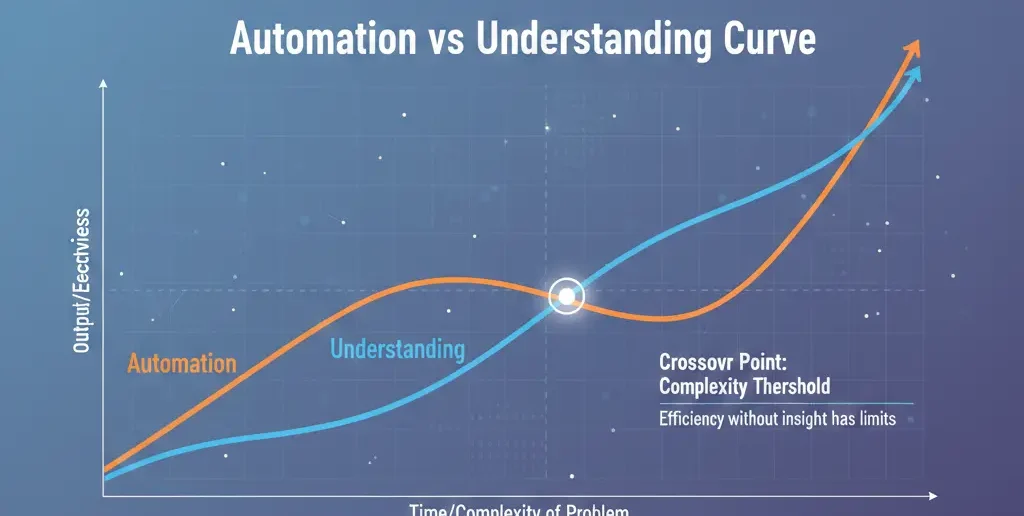
Top results rarely say this: increasing automation can reduce understanding. When summaries replace engagement, users skim instead of think. In testing, lighter AI—suggested outlines, optional highlights—outperformed heavy auto-summaries for retention and follow-through. Counter-intuitive tip: turn summaries off for learning notes, keep them on for meetings. Your brain needs friction to remember.
Practical insight from experience: what long-term users optimize first
Long-term users don’t chase new features; they optimize retrieval speed. They rename notes with intent (“Decision—Q3 Budget”), keep one “source of truth” per topic, and periodically merge duplicates. The best AI note taking app is the one that makes retrieval boringly fast.
Comparing best ai note with manual notes in mixed workflows
A hybrid approach wins:
| Task type | Best approach | Why |
| Meetings | AI capture + human edit | Speed with accountability |
| Studying | Manual outline + AI prompts | Retention improves |
| Brain dumps | AI organize later | Low friction |
| Decisions | Human summary | Nuance preserved |
[Expert Warning]
AI summaries can sound confident while being wrong. Always verify numbers, names, and decisions before sharing.
[Pro-Tip]
Create a “Verified” tag you apply only after reviewing an AI-generated note. Retrieval becomes safer instantly.
[Money-Saving Recommendation]
Free tiers work for capture. Pay only when recall speed or storage limits become real bottlenecks.
(Natural transition) If you’re comparing tools for daily use, look for AI note-taking software that lets you tune automation levels rather than locking you into aggressive defaults.
How to test an best AI note app in one afternoon
- Import a messy note set.
- Record a short meeting or voice memo.
- Search for a specific decision from last week.
- Edit a summary and see if it “sticks.”
- Export notes—yes, exits matter.
If it passes all five, it’s a contender.
FAQs best ai note
Is an AI note app reliable long-term?
Yes, if you review summaries and manage tags; no if you treat AI output as final.
Do AI note apps replace manual notes?
They complement them. Manual notes still win for learning and decisions.
How accurate are AI summaries?
Good for structure; variable for nuance. Always verify.
Are free AI note apps enough?
For capture, yes. For heavy recall and storage, often no.
What about privacy?
Check data retention, training usage, and export controls before committing.
Embedded YouTube (contextual)
- Explainer: https://www.youtube.com/watch?v=U9t-slLl30E
- Workflow demo: https://www.youtube.com/watch?v=2J0n3yQ9JH0
Conclusion
The best AI note taking app isn’t the loudest—it’s the quietest helper. Choose tools that respect your thinking, keep retrieval fast, and let you stay in control. Use AI to reduce friction, not responsibility. When notes remain accurate weeks later, you’ve found your match.
Internal links (planned):
External references (credible):
- Research on summarization and learning (educational psychology)
- Privacy best practices for note-taking tools
Security note: for choosing protection for everyday Windows devices, this Windows antivirus comparison is a useful related reference.